America
-
Mexico
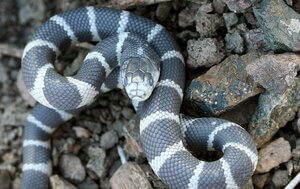
Flora and fauna of Mexico
Flora of Mexico Mexico’s plant life is very diverse, but in general, because there is less rainfall in the north and more in the south, Mexico’s trees and plants can be fairly divided along their topographical and geographic lines: desert plants in the north, forests and grasslands in the mountains and the central highlands, and jungle-like plants and trees in the south. Two deserts cover most of northern Mexico, the Chihuahuan desert, the largest of the North American deserts, and the Sonoran desert. Plants such as prickly pear, hawthorn acacia, lettuce, mesquite, and creosote cover the Chihuahuan desert. The Sonoran…
Read More » -
Mexico history
Brief history of Mexico summarized A brief journey through the extensive history of Mexico, in an entertaining and summarized way. The Aztec Empire in Mexico The ancestors of the Aztecs settled on a marshy island in Lake Texcoco in 1325 or 1345. According to legend, the Aztecs settled in a place where they saw an eagle perched on a cactus with a snake in its mouth. They took this as a sign from their god that they should settle there. The Aztecs called the place Tenochtitlan, which means place of the cactus. At first they were not an important people,…
Read More » -
Traditions and customs of Mexico
What traditions and customs are there in Mexico? A country that awaits a lot of history and passion, we review the customs and traditions of Mexico. Gastronomy Food in daily life Mexico has an extensive and sophisticated culinary culture, with a wide variety of regional dishes. Three products make up the heart of most Mexican dishes: corn, chiles, and beans, products that date back to pre-Columbian times. Corn is consumed in all its possible forms: as a cooked or roasted corncob (“elote”), cooked corn kernel, oatmeal porridge (“atole”), as wrapped and steamed masa with filling (“tamal »), but more importantly,…
Read More » -
Honduras
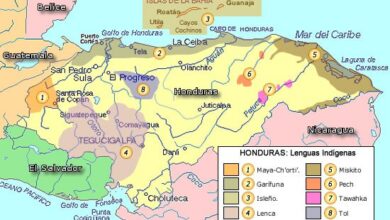
Honduran language
The Republic of Honduras is a country belonging to Central America, whose capital is Tegucigalpa. It has a population of more than 9 million inhabitants (95º) and an extension of 112,492 km 2 (101º). It has a medium human development index (133º) and its official currency is the Honduran lempira. And what language is spoken in Honduras? What language do they speak in Honduras? Honduras has only one official language, Spanish, spoken by practically the entire population. In addition to Spanish, several indigenous languages coexist with the official language (number of speakers in parentheses): Garífuna (98,000), Misquito (29,000), Sumo, Mayangna…
Read More » -
Dominican Republic
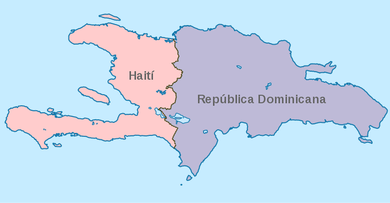
Dominican Republic language
The Dominican Republic is a country belonging to the Caribbean, in America, whose capital is Santo Domingo. It has a population of about 11 million inhabitants (86th) and an area of 48,671 km 2 (128th). Its human development index is high (94º) and its official currency is the Dominican peso. And what language is spoken in the Dominican Republic? What language do they speak in the Dominican Republic? The Dominican Republic has one official language, Spanish. Apart from Spanish, there are 159,000 Haitian Creole speakers in the country, due to the fact that both countries are located on the same…
Read More » -
Panama
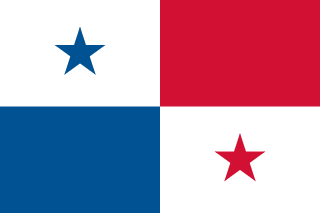
Panama language
The Republic of Panama is a country that belongs to Central America, whose capital is Panama. It has a population of 4 million, being the 130th most populous in the world, and an area of 75,417 km 2 (116th). Its human development index is high (60º) and its official currency is the Panamanian balboa. But what language is spoken in Panama? What language do they speak in Panama? Panama has an official language since the 1972 constitution, Spanish, spoken by 93% of the population, is also the national language. From its discovery until the middle of the 18th century, the…
Read More » -
History of Honduras
Brief history of Honduras summarized A quick and brief review of the history of Honduras, a Central American country, in a summarized way. Honduran beginnings For thousands of years indigenous peoples lived in Honduras. The greatest of them were the Mayans. However, the first European to reach Honduras was Christopher Columbus on July 30, 1502. Columbus later sailed to Panama. The area became known as Honduras from the Spanish word honduras (depths). The Spanish conquest of Honduras began in 1523. The indigenous people resisted bitterly, but by 1539 the Spanish took control. The natives were forced to work for the…
Read More » -
Costa Rica History
Brief history of Costa Rica summarized A brief brushstroke on the history of Costa Rica summarized. Costa Rica in its beginnings At the beginning of the 16th century, the indigenous people of Costa Rica divided into farming tribes. They had created a sophisticated society. However, on September 18, 1502, Christopher Columbus sighted Costa Rica. In the mid-16th century the Spanish gradually conquered Costa Rica. However, there was no gold. Its population was small and much less important than the other Spanish colonies. In addition, the indigenous population was devastated by European diseases that they did not resist. The first Spanish…
Read More » -
Chile

Chile language
The Republic of Chile is a country that belongs to South America, whose capital is Santiago. It has a population of about 19 million inhabitants (64th) and an area of 756,096 km 2 (37th). Its human development index is very high (44º) and its official currency is the Chilean peso. But what language is spoken in Chile? What language do they speak in Chile? Chile does not have any official language. However, Spanish is the de facto national language. In addition, various indigenous languages are spoken in Chile, which are: Mapudungun (250,000 speakers), Aymara (19,000), southern Quechua (6,180), Rapanui (1,000),…
Read More » -
Chile’s history
Brief history of Chile summarized A general look at the history of Chile, in a brief and summarized way. Chilean Beginnings The first humans arrived in Chile around 12,000 BC At first, people lived by hunting and farming, but in the north of Chile they were engaged in agriculture in 2,500 BC However, agriculture began much later in the South of Chile. The Incas conquered northern Chile in the 15th century, but were also conquered by the Spanish in 1533. However, in the south there was a people called the Araucanos. In 1540 a Spaniard named Pedro de Valdivia invaded…
Read More »