-
Estonia

Estonian history
Brief history of Estonia summarized An entertaining journey through the history of Estonia, the northernmost Baltic country, and with strong ties to Finland. Old Estonian The Estonians are a Finno-Ugric people related to the Finns. A first century Roman writer named Tacitus mentioned the Estonians. He called them the Aesti. Amber was exported from Estonia to other parts of Europe. Despite this, for centuries the Estonian tribes had little contact with Western civilization. They often traded goods and items with the Vikings. Between the 11th and 12th centuries, the Estonians fought several times against the Russians and remained undefeated. Then…
Read More » -
Estonian traditions and customs
What traditions and customs are there in Estonia? An overview of the Baltic country of Estonia and its customs and traditions. Food and economy Food in daily life In autumn and winter, soups and stews predominate, with potatoes being a staple in most meals. In spring and summer, fresh tomatoes and cucumbers accompany every meal. Sandwiches are a common breakfast food, and coffee is frequently enjoyed throughout the day and at social events. In coastal areas fish is eaten. Many people grow fruits, vegetables, and berries during the summer and can make what is left over in the fall. Family…
Read More » -
United States
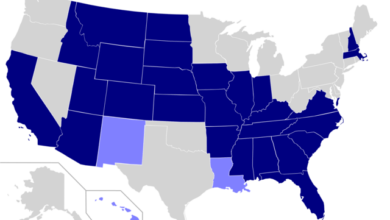
United States language (USA/USA)
The United States of America (USA or USA) is a country made up of 50 states and its capital is Washington DC It belongs to North America and is the third most populous country in the world (327 million inhabitants) and the fourth most largest part of the world (9,833,520 km 2). Its human development index is very high (13th) and its official currency is the US dollar. And what language is spoken in the United States? What language do they speak in the United States? The United States does not have any official language at the federal level. However,…
Read More » -
United States
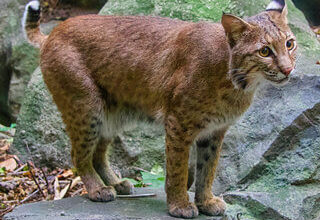
United States flora and fauna
Flora of the United States At least 7,000 species and subspecies of flora native to the United States have been classified. Eastern forests contain a mix of soft and hardwoods including pine, oak, maple, spruce, beech, birch, hemlock, hickory, rubber, and hickory. The central hardwood forest, which originally stretched uninterrupted from Cape Cod to Texas and northwest to Minnesota—still a major source of timber—supports oak, hickory, ash, maple, and hickory. Pine, hickory, tupelo, pecan, rubber, birch, and sycamore are found in the southern forest that stretches along the Gulf Coast to the eastern half of Texas. The Pacific Forest is…
Read More » -
United States

History of the United States (U.S.A./USA)
Brief history of the United States summarized A brief summary of the history of the United States (USA/USA), in a clear and structured way. Colonial America The first colonies in North America The first Europeans to establish colonies in North America were the Spanish. In 1526 a Spaniard named Lucas Vázquez de Ayllón tried to found a colony in Carolina (he also brought the first black slaves to North America). However, the attempt failed. Many Spaniards died of disease and the survivors left the colony. In 1565 Pedro Menéndez de Avilés founded a settlement in St. Augustine, Florida, the first…
Read More » -
Traditions and customs of the United States
What traditions and customs are there in the United States? Independent since 1776, the customs and traditions of the United States of America. Gastronomy Food in daily life Americans eat large amounts of fast, convenient, processed foods. The average diet is high in salt, fat, and refined carbohydrates. It is estimated that 60 percent of Americans are obese. The preference for packaged and processed foods has cultural roots. Americans in general enjoy the taste of hamburgers, hot dogs, and junk food. Processed foods are generally perceived as cleaner or safer than unprocessed foods. Industrial food producers use advertising to associate…
Read More » -
Saudi Arabia
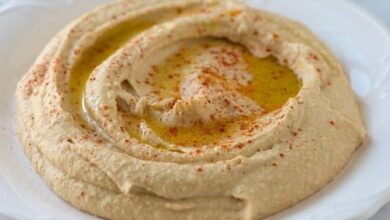
Typical Saudi Arabia food
Geographic setting and environment Saudi Arabia, the third largest country in Asia, makes up about four-fifths of the Arabian Peninsula. The other countries that share the peninsula – Yemen, Oman, the United Arab Emirates, Qatar, Bahrain and Kuwait – have a much smaller area. A narrow plain runs along the Red Sea coast. The Hijaz Mountains (Al Hijaz) rise sharply from the sea. At least a third of the total area is a sandy desert. There are no lakes, and except for artesian wells (wells where water flows naturally to the surface) in the eastern oases, there are no rivers…
Read More » -
Saudi Arabian traditions and customs
What traditions and customs are there in Saudi Arabia? An overview of the traditions and customs of Saudi Arabia. Gastronomy Food in daily life The traditional staple foods were dates; goat, camel and cow milk; ghee, cheese and other dairy products; bread and other foods made from wheat, millet and barley; pumpkin, eggplant, okra, squash, beans, leeks, onions, and some other vegetables; mint, coriander, parsley and cumin; and occasionally lamb, goat or camel meat and, on the coasts, fish. Older people remember the meals of the past as simple but adequate, without a wasted bite. They ate regularly at home…
Read More » -
Serbian history
Brief history of Serbia summarized A brief review of the history of Serbia, in a summarized way Ancient Serbia In the 7th century, the Slavs, ancestors of modern Serbs, came to Serbia. At first they were divided into clans, but in the 8th century a man named Vastimir founded the first Serbian state called Rasica. Then, in the 9th century, the Serbs converted to Christianity. However, until the 13th century Rasica was a vassal of the Byzantine Empire. The 13th and 14th centuries were the golden age of Serbia. Its population grew and industries such as mining flourished. Serbia also…
Read More »